ANGLICANSIM
What We Believe
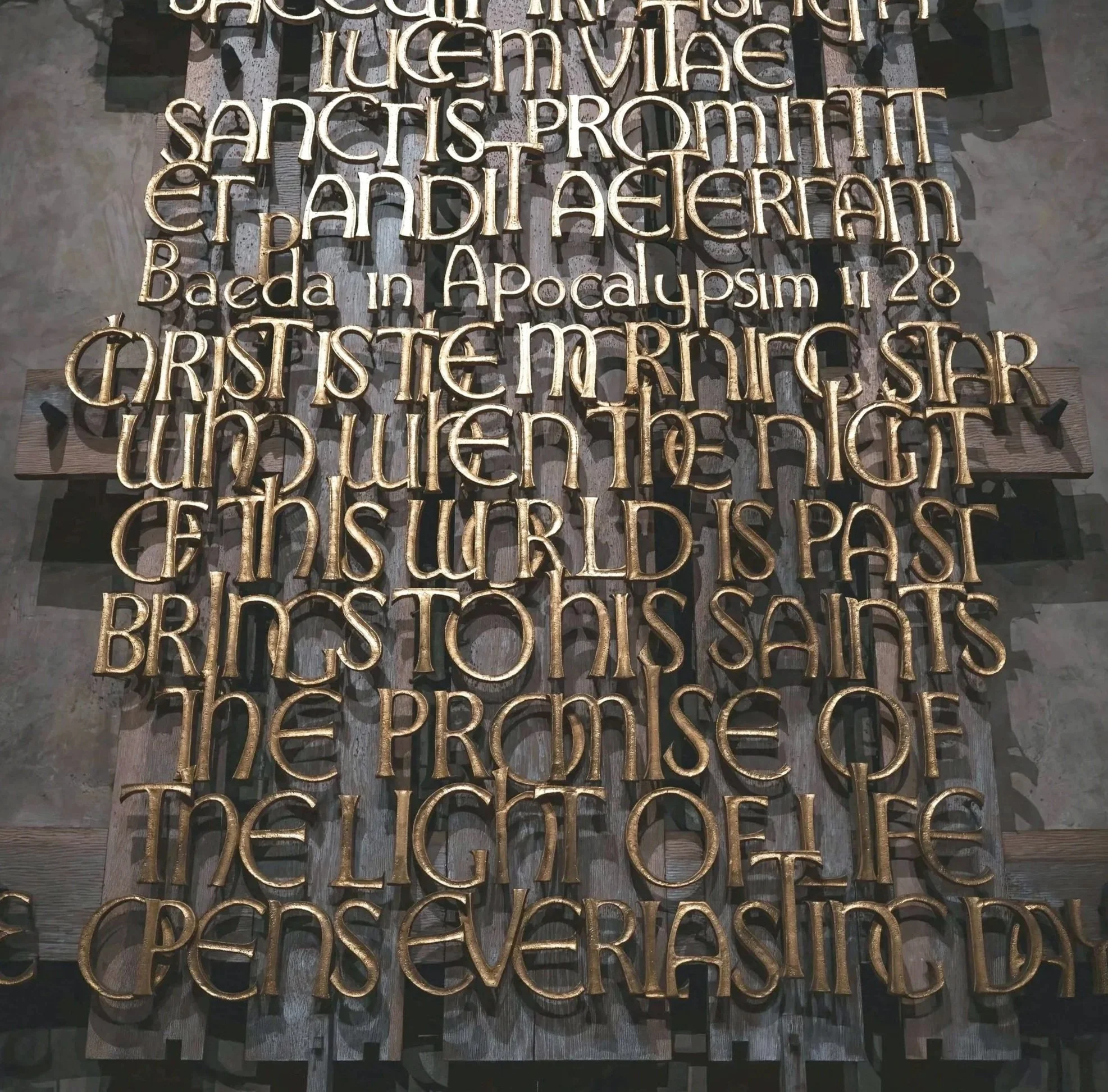
We get to receive all of Jesus from all of the Church.
Scripture, Spirit, Sacrament — these three are like streams in the life of God’s people which all too often do not flow together. We, however, seek to integrate what a divided Church has torn apart. We get to be marked by and hold all three of these streams, not in tension, but united together as one in such a way that they each mutually shape and enrich and strengthen one another.
Scripture
Anchored in the Word of Life
We get to be shaped by, and receive as authoritative, the same Scriptures that made the early Church, the saints throughout history, and Jesus Himself who they were. What a gift.
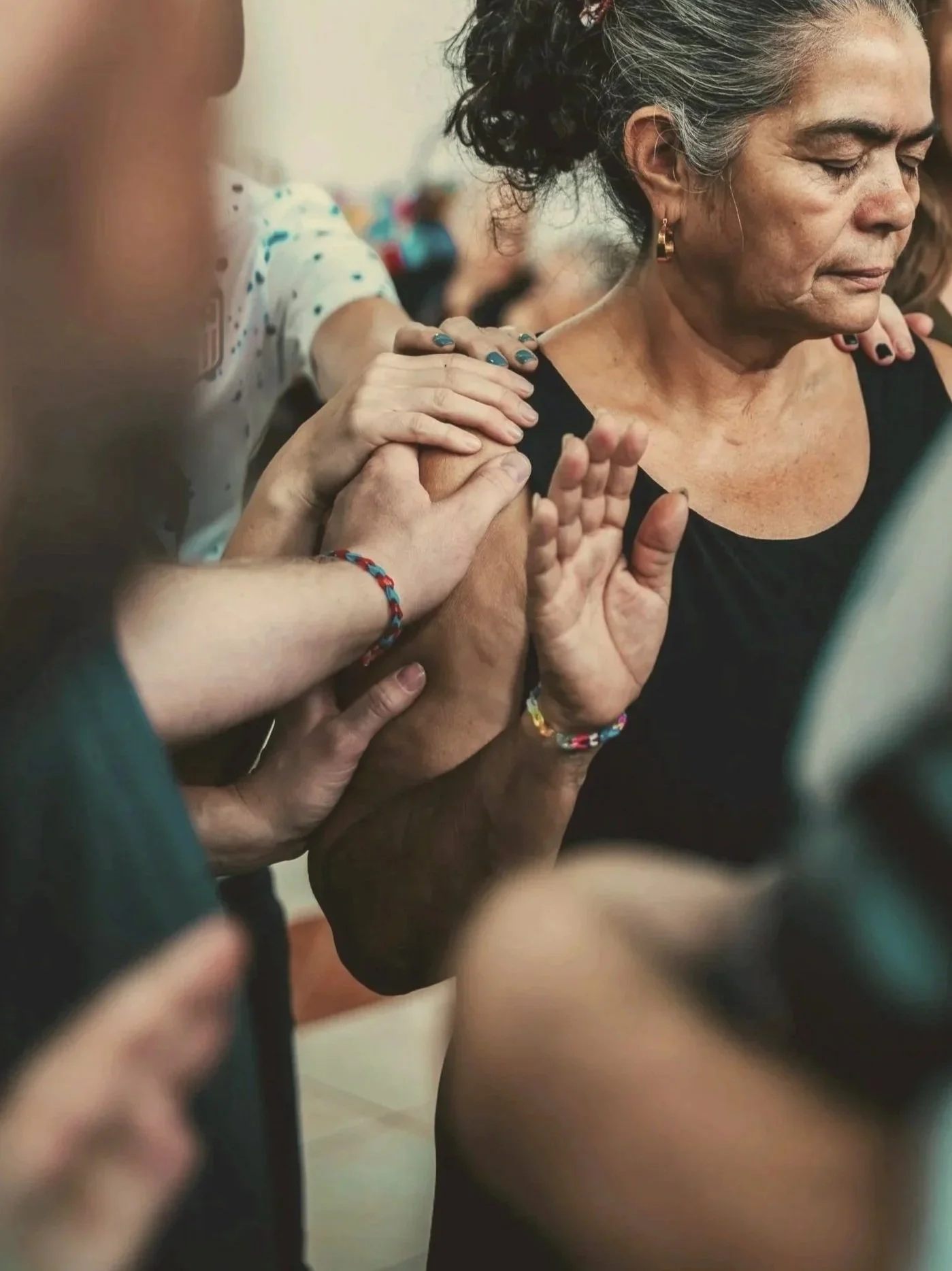
Spirit
Hungry for the Living God
We get to experience God, not as something distant and vague, but as the living Jesus who is alive and well — leading, filling, healing, delivering, renewing, speaking to, and dwelling with His people still today through God the Holy Spirit.
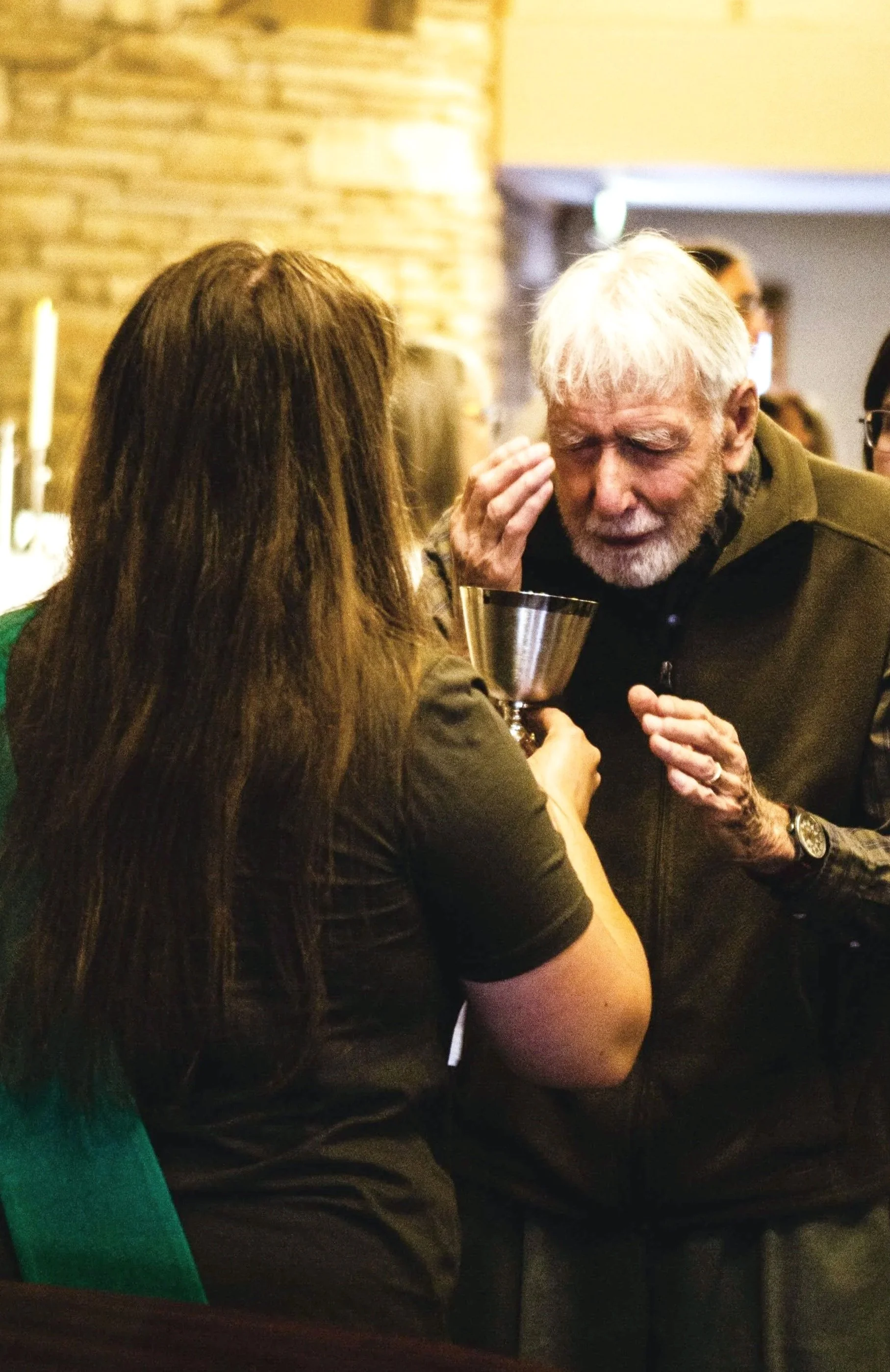
Sacrament
Ancient, global, embodied faith
We get to have Scripture and Spirit held within the context of a story that is way bigger than us or our cultural moment. The Gospel is not just about getting ideas in our heads or emotions in our hearts, it’s about our bodies and communities and all of life as well.
ALL OF JESUS
♛
FROM ALL OF THE CHURCH
♛
ALL OF JESUS ♛ FROM ALL OF THE CHURCH ♛
The Creeds
The focus and center of our faith is what Christians in all places, at all times, have always believed.
The “faith that was once for all delivered to the saints” — given by Christ, handed down from the Apostles, authoritatively revealed in the Scriptures, and received by God’s people in every age for 2,000 years. This is best expressed in the Apostles’ Creed and Nicene Creed — ancient and universal statements of faith, which both summarize the primary teachings of Scripture, and serve as helpful guides for reading Scripture in step with the whole Church across time and space.
Our Confessions
While the Creeds help describe what is essential and primary, Scripture does speak clearly to more than just what is contained in them.
As a community of faith rooted in the Anglican Way, we receive the Thirty-nine Articles of Religion — a confession that grounds us in the gospel and outlines our historic theological foundations. The Jerusalem Declaration is a more recent confession that enfolds us within a global family of faithful, missional followers of Christ. And our Catechism provides a more robust summary of what Anglican Christians believe.

Prioritizing Unity
Jesus said our love for one another would show the world that we belong to Him (John 13:35), and that our unity with one another would show the world that He really is who He said He is (John 17:23).
Sometimes Scripture does not speak clearly to certain topics we may care about deeply. Therefore, we live by this godly wisdom: “In essentials unity, in non-essentials liberty, in all things charity.” In a world racked by division, a part of the Church’s witness to the goodness and reality of Jesus is to be a place where people can disagree well, with curiosity and a good-faith desire to learn from one another. We welcome a diversity of opinion on unclear, secondary matters. We adopt a posture of generosity and humility. We prioritize mutual understanding where non-essential beliefs vary. Many times, the ‘next step’ of growth God is inviting each of us into does not fully reside within one viewpoint as opposed to another, but actually in the interactive tension and conversation between viewpoints. We therefore actively practice staying in the room with difference, seeking fruitful dialogue rooted in a shared commitment to what God has clearly revealed in Scripture.
Other Anglican Distinctives
If you’re new to Anglicanism, don’t worry! The vast majority of us at Bethany are new to it as well. We’re stumbling forward together, discovering a way of following Jesus that is rich, deep, wide — and centered on the Gospel.
-
The Book of Common Prayer is like “the Bible arranged for worship.” It helps to ‘show’ rather than ‘tell’ our theology. Everything from the seasons of the Church (or Liturgical) Year, to Bible reading plans, to daily prayer, to our forms of leadership — it’s all in the Prayerbook, informed by the patterns of the early Church, and set out for the renewal of God’s people in every generation.
-
In a world that is sick with individualism in every sphere of life, including spirituality, Anglicans tend to emphasize ‘us’ and ‘we’ over ‘me’ and ‘I’. Our worship is participatory and requires a community of people assembled together in God’s presence. Our faith is primarily, ours — something we hold and practice together in relationship with others. We avoid solo-heroic, performance-oriented leadership and personalities in favor of a shared journey of formation and mission together under Christ.
-
From the earliest days of the Gospel taking root in the ancient British Isles, to the development of the Celtic and monastic communities, to the renewal of the Church in the English Reformation, to the revivals across multiple continents seen in recent centuries and decades — Anglicanism has always been a missional movement. We have always prioritized both the proclamation and demonstration of the Gospel in and for the sake of the world.
-
Anglicanism is the third largest group of Christians in the world (behind Roman Catholics and Eastern Orthodox), and it is the largest group of protestant Christians — the vast majority of which live in the Global South. At Bethany, one of our primary global connections comes to us through the East African Revival and the Anglican Church in Rwanda. We are children of their spiritual vitality and faithfulness, and as a result, we see God’s Kingdom as broader than our borders and deeper than merely cultural Christianity.
-
We didn’t make this up yesterday. We get to receive the richness and meaning of something that was here way before us, and that’ll be here long after we’re gone. Anglicanism exists in continuity with the ancient Church. Even our forms of worship and leadership would be recognizable to 2nd-century Christians as belonging to the same lineage of faith.